Exploring the Quality of Boos Cutting Boards
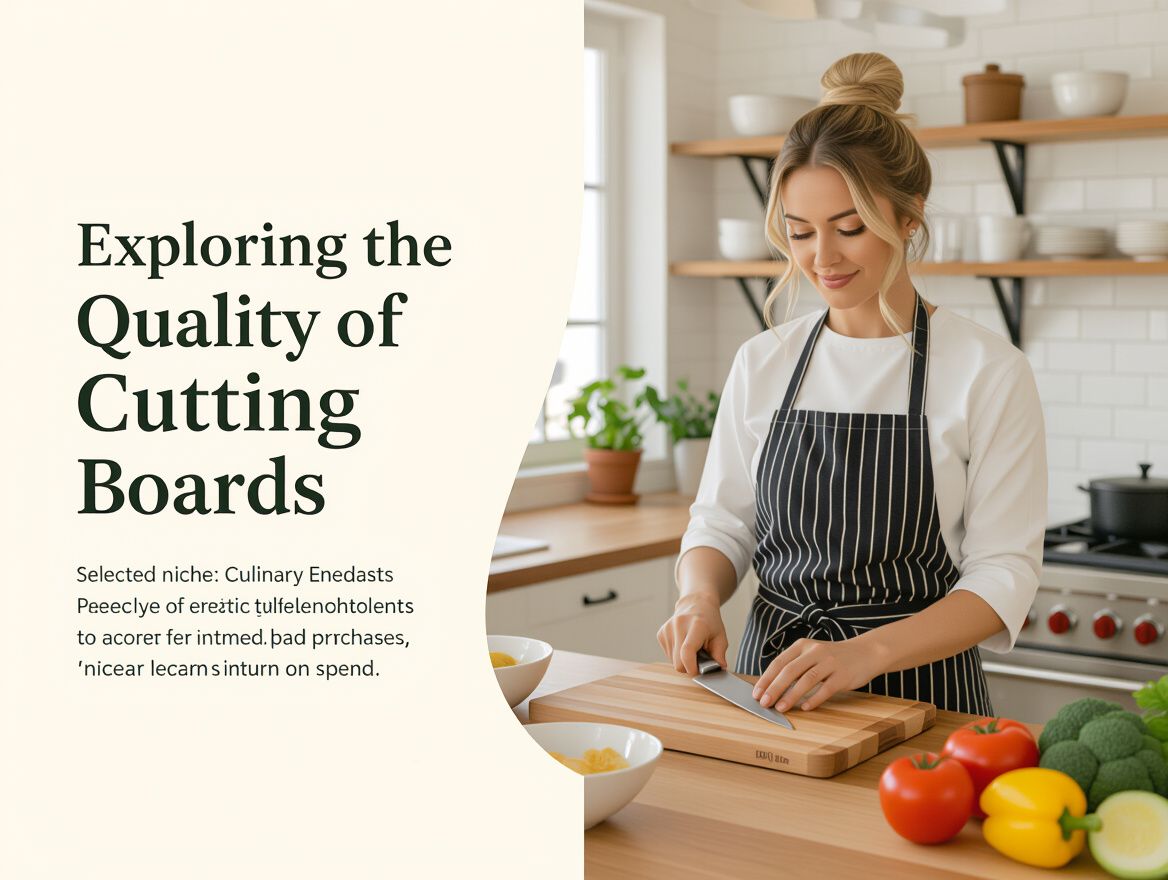
Understanding Boos Cutting Boards
Boos Cutting Boards has built a distinguished reputation in the culinary world since its inception in 1887. Known for its high-quality craftsmanship, the brand specializes in creating wooden cutting boards that cater to both home cooks and professional chefs. Their boards are crafted from premium hardwoods, predominantly maple and walnut, which are celebrated for their durability and natural antibacterial properties.
The product offerings from Boos include a variety of sizes and thicknesses, ensuring that there is a suitable option for every kitchen need. From small boards ideal for quick tasks to larger, heavy-duty options designed for extensive food preparation, Boos provides versatility without compromising on quality.
When considering the importance of quality in cutting boards, it’s essential to understand that a well-made board not only enhances the culinary experience but also contributes to food safety. The right cutting board can prevent knife dulling and reduce the risk of cross-contamination, making it a critical tool in any kitchen. However, discerning buyers should also weigh the trade-offs involved, including maintenance requirements and potential price points, to ensure they select a board that fits their specific cooking style and needs.
Key Buying Criteria for Cutting Boards
When selecting a cutting board, especially a Boos cutting board, it's essential to consider several key factors that can influence your cooking experience. Here’s a checklist to help you evaluate your options:
-
Material Options:
- Wood: Known for its durability and knife-friendly surface. Boos cutting boards are often made from hardwoods like maple or walnut, which are less likely to dull knives and can be more aesthetically pleasing.
- Plastic: Generally lighter and easier to clean, but may not offer the same longevity or aesthetic appeal as wood.
- Bamboo: An eco-friendly option that is harder than most woods, making it durable but potentially more abrasive on knives.
-
Size and Thickness Considerations:
- Choose a size that fits your kitchen space and cooking habits. Larger boards provide ample surface area for chopping but can be cumbersome to store.
- Thickness affects durability and weight; thicker boards tend to resist warping and provide a more stable cutting surface.
-
Maintenance and Care Requirements:
- Wood boards, including Boos, require regular oiling to maintain their integrity and prevent cracking.
- Plastic boards may be more straightforward to clean but can harbor bacteria in deep grooves over time.
-
Sustainability Aspects:
- Consider the sourcing of materials. Boos cutting boards are often made from sustainably harvested wood, which can be a significant factor for environmentally conscious buyers.
By carefully assessing these criteria, you can make a more informed decision about whether a Boos cutting board, with its reputation for quality and craftsmanship, aligns with your culinary needs and preferences.
Comparative Analysis of Boos Cutting Boards
When evaluating Boos cutting boards against competitors, several key factors come into play that can help discerning buyers make informed decisions. Here’s a closer look at the aspects that set Boos cutting boards apart, along with some trade-offs to consider.
Durability and Longevity
Boos cutting boards are renowned for their durability, often constructed from high-quality hardwoods like maple and walnut. These materials are less prone to warping and cracking compared to softer woods or synthetic options. However, while Boos boards can last for years with proper care, they may require more maintenance than plastic alternatives, which are often dishwasher-safe and easier to clean.
Design and Aesthetics
The aesthetic appeal of Boos cutting boards is another highlight. Their craftsmanship often features elegant designs that can enhance kitchen decor. However, this focus on aesthetics may come at a premium price, which could be a consideration for budget-conscious buyers. Buyers should weigh the importance of design against functionality and cost.
Pricing Comparison
Boos cutting boards tend to fall on the higher end of the price spectrum compared to other brands, especially those made from plastic or less expensive woods. While the initial investment may be significant, many users find that the longevity and performance justify the cost. It's essential to consider whether the added expense aligns with your culinary needs and how often you cook.
User Reviews and Satisfaction Rates
User feedback on Boos cutting boards is generally positive, highlighting their performance in food preparation and ease of use. However, some users report concerns about the weight of the boards, which can be cumbersome for those looking for lightweight options. Additionally, while many appreciate the natural wood look, others may prefer the low-maintenance features of composite or plastic boards.
Conclusion
In summary, Boos cutting boards offer a blend of durability, aesthetic appeal, and high user satisfaction, making them a compelling choice for both home cooks and professional chefs. However, prospective buyers should carefully evaluate the trade-offs in terms of price, maintenance, and weight. By weighing these factors against their specific cooking habits and preferences, buyers can determine if a Boos cutting board is the right fit for their kitchen.
Trade-offs and Limitations of Boos Cutting Boards
When considering Boos cutting boards, it's essential to evaluate their trade-offs and limitations to ensure they align with your culinary needs. While these boards are celebrated for their quality, several factors may influence your decision.
-
Weight and Ease of Handling: Boos cutting boards are often heavier than alternatives, which can be a disadvantage for those who need to move their boards frequently. This weight contributes to stability during use but may pose challenges for home cooks or chefs who prefer lightweight options for quick handling.
-
Cost Versus Performance: Boos boards typically come with a higher price tag compared to other cutting boards on the market. While their durability and craftsmanship justify the cost for many, budget-conscious buyers may find that other materials or brands offer similar functionality at a lower price point.
-
Care and Maintenance Challenges: Maintaining the quality of a Boos cutting board requires regular oiling and proper cleaning techniques to prevent warping or cracking. This commitment to maintenance may not suit all users, especially those seeking a low-maintenance option.
Understanding these trade-offs can help you decide if a Boos cutting board fits your cooking style and kitchen environment, ensuring that you invest in a product that meets your specific needs without unexpected inconveniences.
Frequently Asked Questions about Boos Cutting Boards
What makes Boos cutting boards unique?
Boos cutting boards are renowned for their craftsmanship and material quality. Made from durable hardwoods like maple and walnut, they provide excellent knife protection and a stable cutting surface. The boards are often constructed using edge grain, which enhances durability and reduces the risk of warping. Additionally, many Boos boards feature a reversible design, allowing for versatile use in the kitchen.
How do I properly maintain a Boos cutting board?
To keep your Boos cutting board in optimal condition, follow these maintenance tips:
- Cleaning: Use warm soapy water and a soft sponge to clean the surface. Avoid soaking the board or using a dishwasher.
- Oiling: Regularly apply food-safe mineral oil to prevent the wood from drying out and cracking. This should be done every few weeks, or more frequently with heavy use.
- Storage: Store the board in a dry place, standing upright or flat, to avoid moisture buildup.
Are there any health concerns with wood cutting boards?
Wood cutting boards, including those from Boos, are generally considered safe for food preparation. They possess natural antimicrobial properties that can inhibit the growth of bacteria. However, it is crucial to maintain proper hygiene by regularly cleaning and oiling the board. Avoid using the same board for raw meat and other food types without thorough cleaning to prevent cross-contamination.
Making the Right Choice for Your Kitchen
When considering Boos cutting boards, it's crucial to evaluate several factors to ensure you make the best choice for your culinary needs. These boards are renowned for their craftsmanship and durability, but they come with specific characteristics that may or may not align with your preferences.
Key Criteria to Consider:
- Material Quality: Boos cutting boards are typically made from hardwoods like maple and walnut, offering excellent durability and a knife-friendly surface.
- Size and Thickness: Assess the board size and thickness to ensure it fits your kitchen space and meets your cooking demands.
- Maintenance Requirements: Wooden boards require regular oiling and careful cleaning to maintain their integrity and prevent warping.
- Aesthetic Appeal: The natural beauty of wood can enhance your kitchen's appearance, but consider if this aligns with your personal style.
Trade-offs to Weigh:
- Weight: Heavier boards provide stability during use but can be cumbersome to handle.
- Cost vs. Longevity: While Boos boards may have a higher upfront cost, their longevity can make them a worthwhile investment compared to cheaper alternatives.
- Storage Needs: Larger boards require more storage space, which might be a concern if your kitchen is limited in size.
Ultimately, the choice of a Boos cutting board should align with your cooking habits, kitchen space, and personal preferences. By carefully considering these factors, you can ensure that your investment enhances your culinary experience while meeting your specific needs.