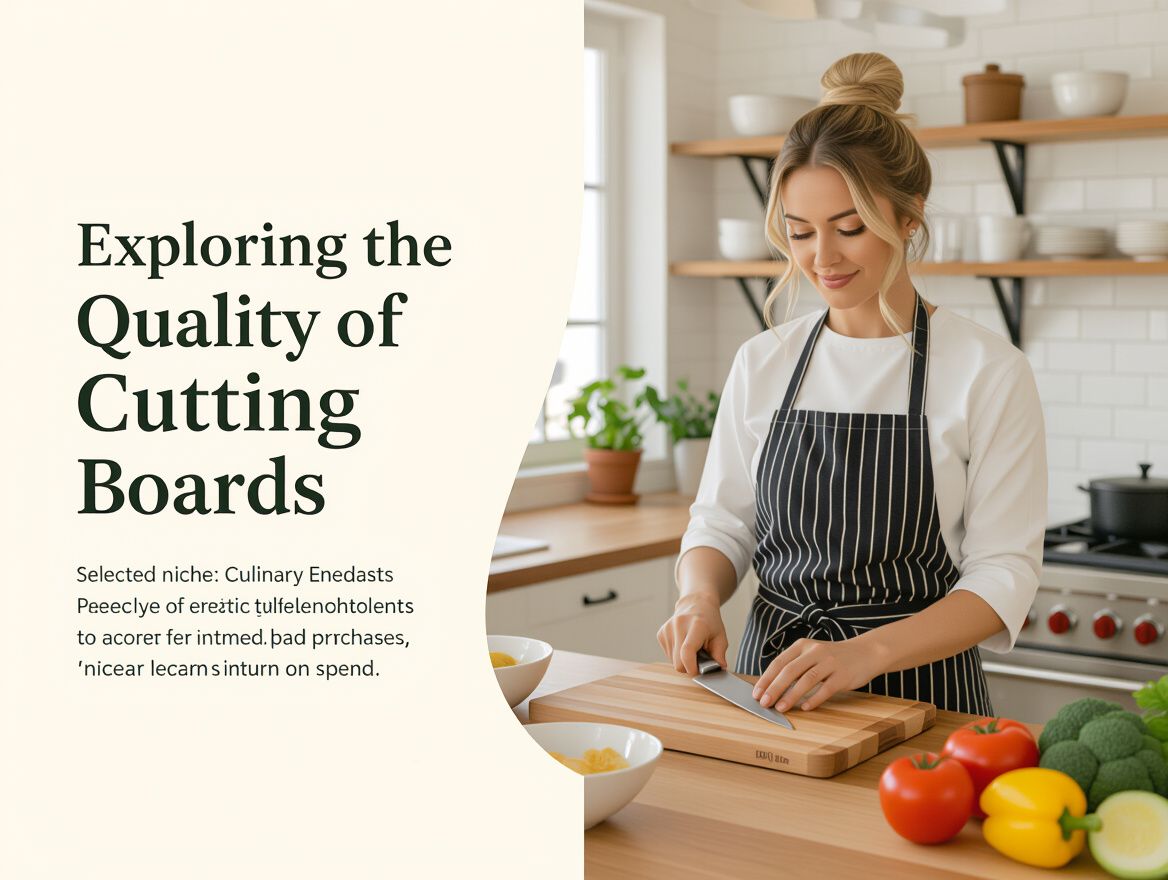
Choosing the Right Custom Wooden Cutting Boards
Understanding Custom Wooden Cutting Boards
Custom wooden cutting boards are personalized kitchen tools designed to meet the specific needs of home cooks and culinary enthusiasts. Unlike standard cutting boards, these custom options can be tailored in size, shape, and engraving, making them not only functional but also a meaningful addition to your kitchen.
Key Benefits:
- Material Quality: High-quality wood, such as hardwoods like maple and walnut, offers durability and resistance to warping or cracking. These materials also have natural antibacterial properties, making them safer for food preparation.
- Craftsmanship: The construction of custom boards often reflects superior craftsmanship. Handcrafted boards can feature intricate designs or personalized engravings, enhancing both aesthetics and usability.
- Versatile Uses: Custom wooden cutting boards serve multiple purposes, from food preparation and serving to display pieces. They can be used for chopping vegetables, slicing meats, or even as serving platters for cheese and charcuterie.
Considerations:
- Maintenance: Wooden cutting boards require regular oiling and proper cleaning to maintain their quality and prevent damage.
- Size and Thickness: Depending on your cooking style, a larger, thicker board may be more suitable for heavy-duty tasks, while a thinner board might suffice for light chopping or serving.
- Personalization: Consider what custom features are most important to you, such as size, engraving, or additional functionalities like juice grooves or handles.
By understanding these factors, you can choose a custom wooden cutting board that aligns perfectly with your culinary needs and enhances your kitchen experience.
Key Features to Look For
When selecting the perfect custom wooden cutting board, several essential features can significantly influence your choice. Understanding these elements will help you find a board that meets your culinary needs and preferences.
-
Wood Type: Different woods offer varying levels of durability, maintenance requirements, and aesthetic appeal. Common choices include:
- Maple: Known for its hardness and resistance to knife marks.
- Walnut: Offers a rich color and is gentler on knife edges.
- Bamboo: A sustainable option that’s lightweight and easy to maintain.
-
Size and Thickness: Consider the tasks you’ll use the cutting board for. A larger board may be beneficial for chopping larger quantities or whole vegetables, while a smaller board can be more convenient for quick tasks. Thickness can also affect stability and durability:
- Thin Boards: Easier to store but may warp over time.
- Thick Boards: More robust and less prone to warping, ideal for heavy-duty use.
-
Personalization Options: Customization can enhance the board’s appeal and make it a unique kitchen tool. Look for options such as:
- Engraving: Personal names or messages for a special touch.
- Custom Shapes: Unique designs that fit your kitchen aesthetic.
By evaluating these features, you can select a custom wooden cutting board that not only looks great but also functions effectively in your cooking endeavors.
Comparing Different Wood Types
When selecting a custom wooden cutting board, the type of wood used can significantly influence both the board's performance and longevity. Understanding the characteristics of various wood types will help you make an informed decision tailored to your culinary needs.
Hardwoods vs. Softwoods
-
Hardwoods (e.g., maple, walnut, cherry):
- Pros: Durable, resistant to scratches, and less porous, which helps minimize bacterial growth. Their density also provides a sturdy surface for cutting.
- Cons: Usually more expensive and can be heavier to handle compared to softwoods.
-
Softwoods (e.g., pine, cedar):
- Pros: Typically lighter and more affordable. They can be easier to work with for custom designs.
- Cons: More prone to scratches and dents, and generally less durable than hardwoods. They may also absorb moisture and odors more readily.
Bamboo as a Sustainable Option
Bamboo has emerged as a popular alternative due to its sustainability:
- Pros: Fast-growing and renewable, bamboo boards are eco-friendly. They are also lightweight and often more affordable than traditional hardwoods.
- Cons: While bamboo is hard, it can be more abrasive on knife edges over time, potentially impacting knife longevity.
Impact on Knife Longevity and Food Safety
The choice of wood type directly affects knife maintenance and food safety:
- Knife Longevity: Hardwoods tend to be gentler on knife blades, preserving their sharpness longer. In contrast, the abrasiveness of bamboo can dull knives more quickly.
- Food Safety: Non-porous woods like maple and walnut are less likely to harbor bacteria, making them a safer choice for food preparation. Softwoods, being more porous, can retain moisture and odors, which may compromise food safety.
By evaluating these wood types based on your cooking habits and preferences, you can select a custom wooden cutting board that not only meets your culinary needs but also enhances your kitchen experience.
Common Risks and Misconceptions
When selecting a custom wooden cutting board, it's essential to be aware of potential risks and misconceptions that could affect your purchase and usage experience. Understanding these factors can help you make a more informed decision and ensure that your cutting board meets your culinary needs effectively.
-
Maintenance and Longevity Misunderstandings: Many believe that wooden cutting boards are high-maintenance. While they do require proper care, such as regular oiling and cleaning with mild soap, they can last for years with the right treatment. Neglecting maintenance can lead to warping, cracking, or bacteria buildup.
-
Risks of Low-Quality Materials: Not all wooden cutting boards are created equal. Boards made from softwoods or low-quality materials may not withstand heavy use and can harbor bacteria. It's crucial to choose boards made from hardwoods like maple or walnut, which are more durable and less porous.
-
Environmental Considerations: The source of the wood used in your cutting board matters. Unsustainable harvesting practices can lead to deforestation and environmental harm. Opt for boards made from responsibly sourced wood, ideally certified by organizations that promote sustainable forestry practices.
By addressing these risks and misconceptions, you can select a custom wooden cutting board that not only enhances your kitchen experience but also aligns with your values and culinary needs.
Making the Right Choice
Selecting the ideal custom wooden cutting board involves a thoughtful assessment of your culinary habits and preferences. Here are key considerations to guide your decision-making process:
Assessing Personal Cooking Habits and Needs
- Frequency of Use: Determine how often you cook and the types of food you prepare. Heavier use may require a more durable board.
- Food Types: Consider the primary foods you'll be cutting. A board suited for meat may differ from one ideal for vegetables or bread.
- Size and Space: Ensure the board fits your kitchen space and is manageable for your cooking style. Larger boards offer more surface area but can be cumbersome to store.
Evaluating Customization Options Against Budget
- Material Choices: Different woods (like maple, walnut, or cherry) have varying aesthetics, durability, and price points. Assess what fits your budget while still meeting your needs.
- Design Features: Customization can include engraving or unique shapes. While these features add a personal touch, they may also impact the price.
- Long-term Investment: Think about the value of investing in a quality board that meets your specifications versus opting for a less expensive, generic option.
Importance of Vendor Reputation and Reviews
- Vendor Trustworthiness: Research vendors to ensure they have a good reputation for quality craftsmanship and customer service. Look for established brands or artisans with positive feedback.
- Customer Reviews: Read reviews to gain insights into the durability and performance of the boards. Pay attention to comments on how well the board holds up over time and in various cooking scenarios.
- Return Policies: Understand the vendor's return policy in case the board does not meet your expectations. Knowing you can return or exchange it can mitigate purchase risks.
By carefully evaluating these factors, you can confidently select a custom wooden cutting board that enhances your culinary experience and reflects your personal style.
Frequently Asked Questions
When considering custom wooden cutting boards, potential buyers often have specific questions that can influence their purchasing decisions. Below are some common queries and insights related to custom wooden cutting boards.
What buyer problem do custom wooden cutting boards solve?
Custom wooden cutting boards offer a personalized solution for home cooks and culinary enthusiasts who seek both functionality and aesthetics in their kitchen tools. Unlike standard cutting boards, custom options can be tailored to specific sizes, shapes, and wood types that best suit individual cooking styles and preferences. This personalization enhances the cooking experience by providing a unique tool that reflects the user’s personality and culinary needs.
How do I maintain my wooden cutting board?
Maintaining a wooden cutting board is crucial for its longevity and performance. Here are some essential care tips:
- Cleaning: Use mild soap and warm water for cleaning. Avoid soaking the board or putting it in the dishwasher, as excessive moisture can warp the wood.
- Oiling: Regularly apply food-safe mineral oil or a specialized board cream to keep the wood hydrated and prevent cracking.
- Storage: Store the board in a dry environment, standing upright or flat, to avoid moisture buildup.
- Sanitizing: Occasionally use a vinegar and water solution or a mixture of lemon juice and salt to sanitize and remove odors.
Are custom wooden cutting boards worth the investment?
Investing in a custom wooden cutting board can be worthwhile, particularly for those who frequently cook or entertain. Here are some considerations:
- Durability: High-quality wood can withstand years of use, making it a long-term investment.
- Personalization: The ability to customize the board to fit specific needs or aesthetic preferences adds value beyond functionality.
- Performance: Wooden boards are gentle on knives, helping to maintain their sharpness longer compared to plastic alternatives.
- Aesthetic Appeal: A custom board often serves as a beautiful centerpiece in the kitchen, enhancing the overall decor.
By addressing these frequently asked questions, buyers can make more informed decisions when selecting the right custom wooden cutting board that fits their culinary needs.
Final Thoughts
Selecting the right custom wooden cutting board is an essential step for home cooks and culinary enthusiasts alike. A well-chosen board not only enhances your cooking experience but also contributes to the longevity of your kitchen tools.
When considering your options, reflect on your unique culinary needs:
- Material Preference: Different woods offer varying levels of durability and maintenance. Hardwoods like maple and walnut are popular for their resilience and aesthetic appeal.
- Size and Thickness: Choose a board that fits your workspace and cooking style. A larger board is ideal for meal prep, while a smaller one may suffice for simple tasks.
- Personalization: Customization can elevate your kitchen tools, making them not just functional but also a part of your kitchen decor.
Investing in a quality custom wooden cutting board can yield long-term benefits, such as improved knife performance and reduced wear. By considering the factors above, you can make an informed decision that aligns with your cooking habits and preferences. Remember, the right cutting board is not just a tool; it's an investment in your culinary journey.