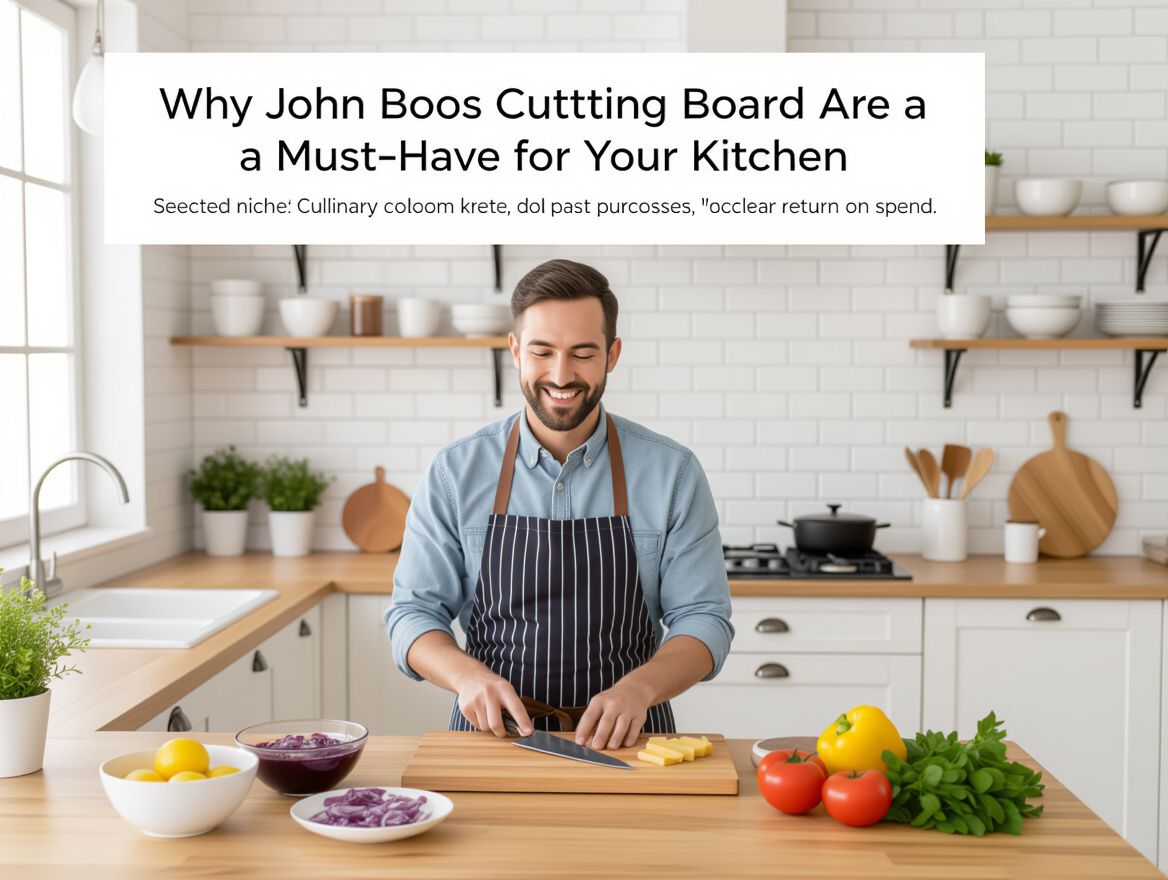
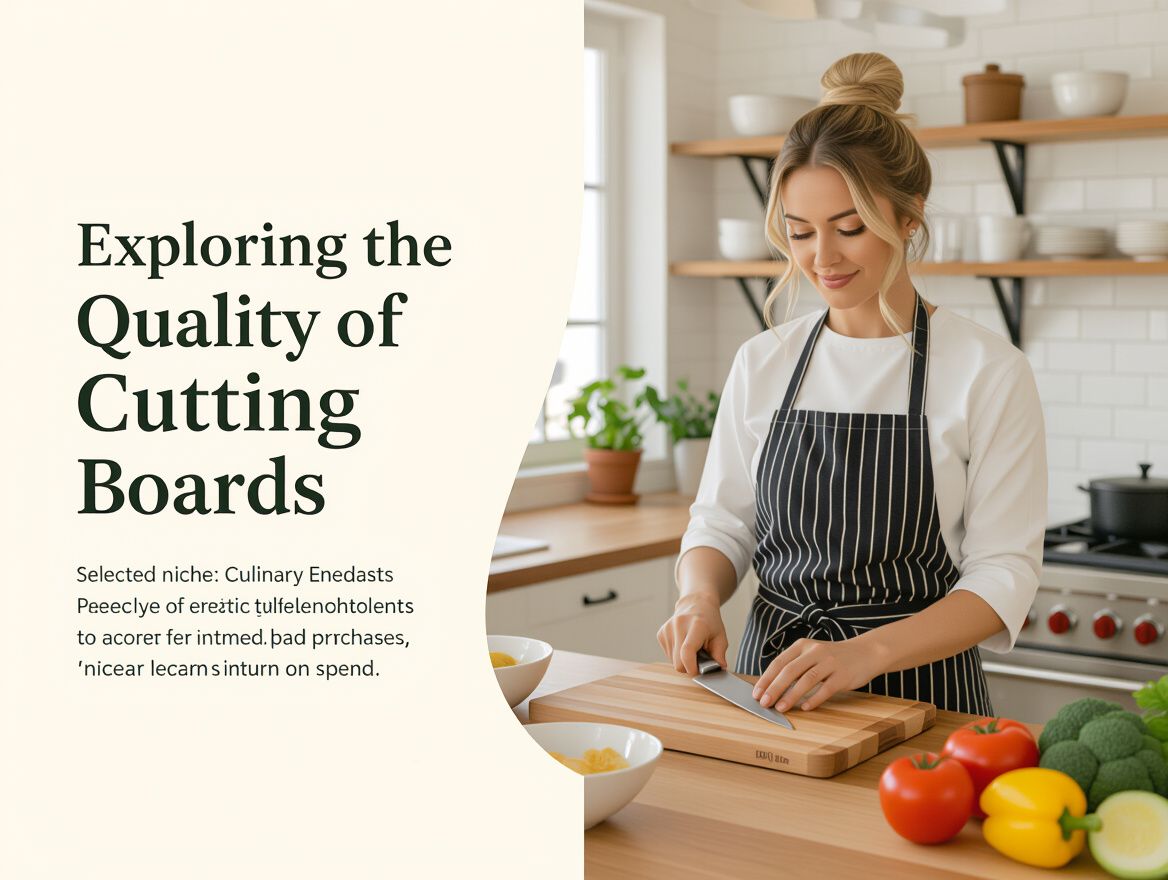
The Versatility of Butcher Block Cutting Boards
Understanding Butcher Block Cutting Boards
Butcher block cutting boards are large, sturdy boards typically made from hardwoods like maple or walnut, designed for food preparation. Their thickness and weight provide stability, making them suitable for heavy-duty tasks such as chopping meat or dicing vegetables. Unlike thinner plastic or glass boards, butcher block boards offer a forgiving surface that is gentle on knife edges, prolonging their sharpness.
Historically, butcher blocks originated in the 19th century as essential tools for butchers. They evolved from simple wooden slabs to the multi-functional boards we see today, often featuring end grain construction that minimizes knife marks and enhances durability. This evolution reflects the growing appreciation for quality kitchen tools among both home cooks and professional chefs.
As you consider adding a butcher block cutting board to your kitchen, keep in mind the following aspects:
- Versatility: Suitable for various tasks, including cutting, serving, and even as a decorative centerpiece.
- Durability: Built to withstand heavy use, but requires proper maintenance to prevent warping or cracking.
- Aesthetic Appeal: Often crafted from beautiful hardwoods, they can enhance the visual appeal of your kitchen.
Understanding these characteristics will help you appreciate the value of butcher block cutting boards and guide your decision-making process when selecting one for your culinary needs.
Versatile Uses for Butcher Block Cutting Boards
Butcher block cutting boards are not just a staple for food preparation; their multifunctional nature makes them invaluable in both home kitchens and professional settings. Understanding the diverse applications of these boards can help you appreciate their value and make informed purchasing decisions.
Chopping Vegetables and Fruits
Butcher block cutting boards provide a sturdy, spacious surface ideal for chopping vegetables and fruits. Their dense wood fibers help absorb knife impacts, reducing wear on your blades and providing a stable base for cutting.
- Durability: The robust construction of butcher block boards can withstand heavy chopping without warping or cracking.
- Ease of Cleaning: Many wooden boards are naturally antimicrobial, making them easier to maintain hygiene after preparing fresh produce.
Carving Meats
These boards excel in handling meat preparation due to their thickness and weight, which prevent slipping during carving. The surface is gentle on knives, preserving their sharpness while allowing for precise cuts.
- Surface Protection: The forgiving material helps minimize damage to knife edges compared to harder surfaces, such as glass or ceramic.
- Juice Collection: Many butcher block designs feature grooves or a slight well to catch juices, keeping your workspace tidy and enhancing flavor retention.
Serving Food
Butcher block cutting boards double as attractive serving platters, making them perfect for presenting cheeses, charcuterie, or even baked goods. Their aesthetic appeal can elevate the dining experience.
- Versatility in Presentation: The natural wood finish adds a rustic charm that complements various cuisines and settings.
- Heat Resistance: Butcher block boards can also serve as trivets for hot dishes, providing an additional layer of functionality.
By recognizing these versatile uses, you can better evaluate how a butcher block cutting board fits into your culinary toolkit. Consider your specific cooking habits and needs to determine which features will serve you best in the kitchen.
Key Buying Criteria for Butcher Block Cutting Boards
When selecting a butcher block cutting board, it's essential to consider several key criteria that can significantly impact your culinary experience. These criteria will help you make an informed decision that aligns with your cooking style and needs.
Material Types
- Hardwood: Common choices include maple, walnut, and cherry. They are durable and provide a good surface for knife work.
- Bamboo: A sustainable option that is lightweight and resistant to moisture, but may be harder on knives.
- Composite Materials: These can offer durability and are often easier to maintain, but may not have the aesthetic appeal of natural wood.
Size and Thickness Considerations
- Size: Choose a board that fits comfortably on your countertop and can accommodate the types of food you'll be preparing, whether it's large cuts of meat or smaller vegetables.
- Thickness: Thicker boards (1.5 inches or more) tend to be more durable and resist warping, while thinner boards can be easier to store but may not last as long.
Maintenance Requirements
- Oiling: Regular oiling is necessary to maintain the board's condition and prevent it from drying out. Look for food-safe mineral oils or beeswax.
- Cleaning: Most butcher block boards require hand washing; avoid soaking them in water or putting them in the dishwasher to preserve their integrity.
- Repairability: Consider whether the board can be sanded down to remove knife marks and scratches, extending its lifespan.
By evaluating these criteria, you can better understand what to look for in butcher block cutting boards, ensuring that you select one that meets your culinary needs and preferences.
Trade-Offs and Limitations of Butcher Block Cutting Boards
While butcher block cutting boards are celebrated for their versatility and aesthetic appeal, they do come with certain trade-offs and limitations that potential buyers should consider.
-
Weight and Storage Concerns: Butcher block cutting boards are generally heavier than their plastic or glass counterparts. This weight can be a drawback for users who prefer lightweight tools or have limited kitchen storage. Additionally, their size may require dedicated storage space, which can be an issue in smaller kitchens.
-
Potential for Knife Marks and Maintenance Needs: Although butcher block boards are less prone to deep cuts compared to plastic boards, they can still show knife marks over time. This not only affects their appearance but also necessitates regular maintenance, such as oiling to prevent drying and cracking. Users must be prepared to invest time in upkeep to ensure the longevity of their board.
-
Comparison with Other Materials: When weighing the benefits of butcher block against other materials, such as plastic and glass, it's important to note the differences in hygiene and durability. Plastic boards are often easier to clean and less porous, which can be a significant factor for those concerned about food safety. Glass boards, while non-porous and easy to sanitize, can dull knives more quickly than wood. Each material has its unique pros and cons, so the choice largely depends on the user’s cooking habits and preferences.
Understanding these trade-offs will help home cooks and professional chefs make informed decisions about whether a butcher block cutting board aligns with their culinary needs and kitchen practices.
Frequently Asked Questions About Butcher Block Cutting Boards
When considering the purchase of butcher block cutting boards, potential buyers often have several common queries. Addressing these questions can help clarify the maintenance and usability of these versatile kitchen tools.
How to Properly Maintain a Butcher Block Cutting Board?
To ensure the longevity of your butcher block cutting board, proper maintenance is key. Here are some essential tips:
- Regular Oiling: Apply food-grade mineral oil every few weeks to prevent drying and cracking.
- Avoid Soaking: Do not submerge the board in water; instead, wipe it down with a damp cloth.
- Store Upright: Keep the board upright in a well-ventilated area to allow it to breathe and reduce moisture retention.
Are Butcher Block Cutting Boards Dishwasher Safe?
No, butcher block cutting boards should not be placed in the dishwasher. The high heat and moisture can warp the wood and compromise its integrity. Instead, clean the board by hand using:
- Warm, Soapy Water: Use a gentle dish soap and a soft sponge to clean the surface.
- Sanitizing Solutions: Occasionally, you can use a mixture of vinegar and water to sanitize the board without damaging the wood.
What is the Best Way to Clean a Butcher Block Cutting Board?
Cleaning your butcher block cutting board effectively involves a few simple steps:
- Immediate Cleaning: After use, promptly clean the board to prevent stains and odors from permeating the wood.
- Scrub with a Sponge: Use a sponge or cloth with warm, soapy water to scrub the surface.
- Rinse and Dry: Rinse with clean water and dry immediately with a towel to avoid moisture buildup.
Understanding these maintenance practices will not only help you keep your butcher block cutting board in top condition but also enhance its functionality and lifespan in your kitchen.
Making an Informed Decision on Butcher Block Cutting Boards
When considering a butcher block cutting board, it's crucial to weigh its versatility against your specific culinary needs. These boards are celebrated for their multifunctionality, but understanding the nuances can lead to a more satisfactory purchase.
Benefits to Consider
- Durability: Butcher block cutting boards are constructed from dense wood, making them resistant to warping and cracking over time, even with heavy use.
- Knife-Friendly Surface: The softer wood fibers help maintain the sharpness of your knives, which can be a significant advantage for both home cooks and professional chefs.
- Aesthetic Appeal: Their natural beauty can enhance your kitchen decor and serve as a stylish serving platter.
Key Considerations
- Size and Weight: Choose a size that fits comfortably in your kitchen space and is manageable for your cooking practices. Larger boards can be cumbersome, while smaller ones may not offer enough workspace.
- Maintenance: Wooden boards require regular oiling and proper cleaning to prevent cracking and bacteria buildup. Consider how much upkeep you are willing to commit to.
- Type of Wood: Different woods have varying hardness levels, which can impact both durability and the effect on your knives. Hardwoods like maple and walnut are popular choices, but they come with different price points and maintenance needs.
Mindful Purchasing
Before committing to a butcher block cutting board, reflect on your cooking style and how you intend to use the board. Are you primarily chopping vegetables, or will you be carving meats? Understanding your primary use cases can guide you in selecting the right features—whether that’s a thicker board for heavy-duty tasks or a lightweight option for easy handling.
By thoughtfully considering these factors, you can make an informed decision that aligns with your culinary habits and enhances your kitchen experience.