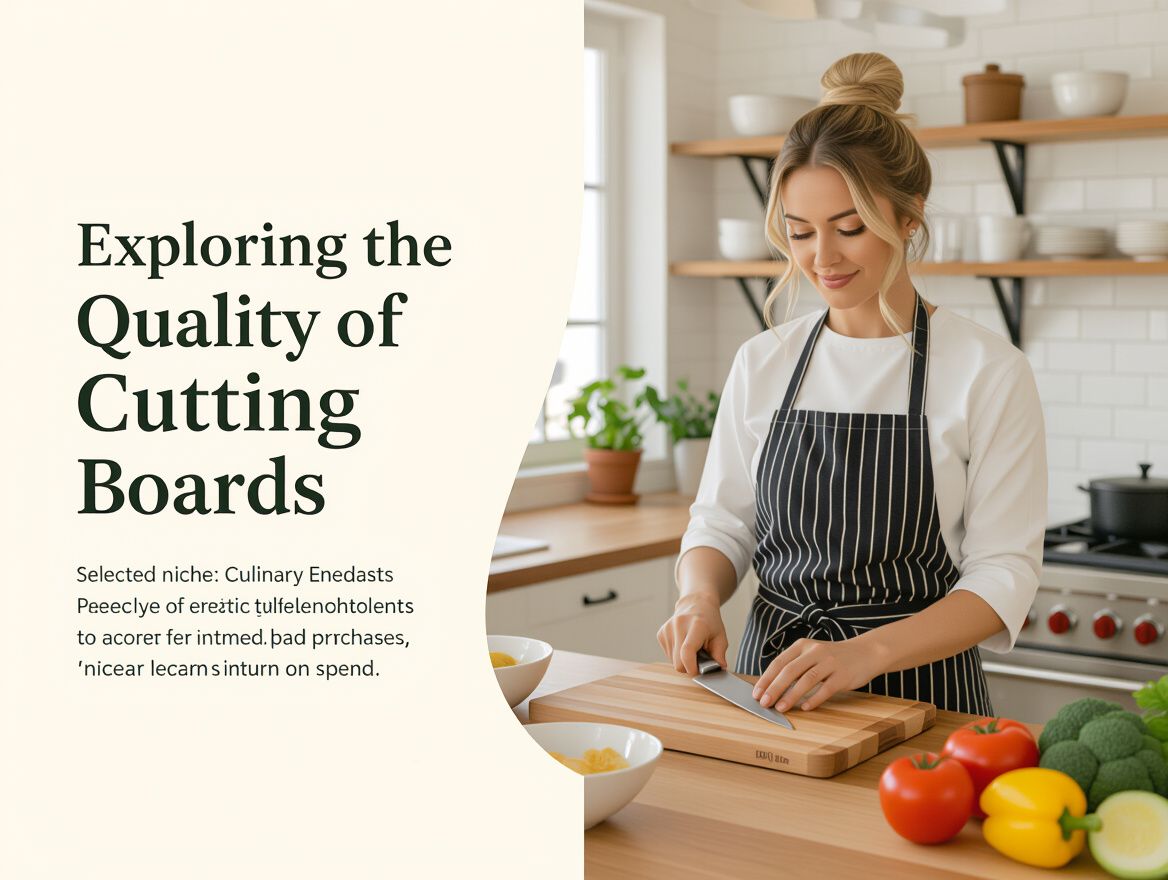
Using Bamboo for Cutting Boards: Pros and Cons
Why Choose Bamboo for Your Cutting Board?
Bamboo has gained popularity as a cutting board material due to its unique combination of sustainability, durability, and aesthetic appeal. As a grass that grows rapidly and requires less water than traditional hardwoods, bamboo is often viewed as an eco-friendly option for home cooks and professional chefs alike. Its lightweight nature and natural resistance to moisture make it a practical choice for everyday kitchen tasks.
In kitchens around the world, bamboo cutting boards are increasingly favored for their versatility. They can be used for a variety of food prep tasks, from chopping vegetables to slicing meats. However, while bamboo offers several benefits, it is essential to consider its limitations compared to other materials like walnut, teak, and maple.
Key Considerations:
- Sustainability: Bamboo is a renewable resource, making it an environmentally friendly choice.
- Weight: Bamboo boards are generally lighter than hardwood options, making them easier to handle.
- Moisture Resistance: Bamboo is less porous, reducing the risk of bacteria growth compared to some wood types.
Trade-offs to Keep in Mind:
- Knife Wear: Bamboo is harder than some woods, which may dull knives faster.
- Maintenance Needs: Regular oiling with food-safe oil for cutting boards is necessary to maintain the board's integrity.
- Aesthetic Variability: While some appreciate bamboo's modern look, others may prefer the traditional grain patterns found in hardwoods like walnut or maple.
As you explore the suitability of bamboo cutting boards for your kitchen, weigh these pros and cons against your specific culinary needs and preferences. This will help you make an informed decision about whether bamboo is the right fit for your cooking style.
Advantages of Bamboo Cutting Boards
Bamboo cutting boards offer several distinct advantages that make them a compelling choice for home cooks and professional chefs alike. Understanding these benefits can help you assess their suitability compared to other materials like walnut, teak, or maple.
Eco-Friendliness and Sustainability
Bamboo is renowned for its rapid growth and renewability. It can reach maturity in just three to five years, making it a more sustainable option compared to traditional hardwoods. This characteristic reduces the environmental impact associated with deforestation and contributes to a more sustainable kitchen.
Durability and Resistance to Knife Marks
Bamboo is naturally tough and resilient, which means it can withstand the rigors of daily use without easily showing wear. Its dense structure makes it resistant to knife marks, helping to maintain a smoother surface over time. This durability can lead to a longer lifespan compared to softer woods, reducing the need for frequent replacements.
Lightweight and Easy to Handle
One of the practical benefits of bamboo cutting boards is their lightweight nature. This makes them easy to maneuver, especially when transferring food from the board to pots or plates. The lightweight quality, combined with their sturdy construction, makes bamboo boards a practical choice for both home and professional kitchens.
In summary, bamboo cutting boards present a unique blend of sustainability, durability, and ease of use, making them an attractive option for culinary enthusiasts. When considering your cutting board options, weigh these advantages against your specific needs and preferences.
Disadvantages of Bamboo Cutting Boards
While bamboo cutting boards have gained popularity for their eco-friendliness and durability, there are several disadvantages that potential buyers should consider. Understanding these downsides can help home cooks and professional chefs make informed decisions about whether bamboo is the right choice for their culinary needs.
-
Moisture and Odor Absorption: Bamboo, being a grass rather than a traditional wood, can absorb moisture more readily. This characteristic may lead to the board retaining odors from food, which can be challenging to eliminate. Regular cleaning and maintenance are essential to mitigate this issue.
-
Knife Edge Impact: Bamboo cutting boards are generally harder than softer woods like maple or walnut. While this hardness can contribute to durability, it also means that bamboo is less forgiving on knife edges. Over time, this can dull knives more quickly compared to cutting boards made from softer woods, which tend to be gentler on blades.
-
Maintenance Requirements: Bamboo boards require specific care to maintain their longevity. Unlike some other wood options that can withstand more wear and tear, bamboo needs to be regularly treated with food-safe oils to prevent cracking and warping. This maintenance can be an added responsibility for users who prefer low-maintenance kitchen tools.
-
Longevity Concerns: While bamboo is marketed as durable, its lifespan can be shorter than that of traditional hardwood cutting boards. Frequent exposure to moisture and the need for regular oiling can lead to wear and tear, raising questions about how long a bamboo cutting board will last compared to alternatives like teak or walnut.
Considering these disadvantages is crucial when assessing bamboo for cutting boards. Weighing the pros and cons against your specific cooking habits and maintenance preferences will help you determine if bamboo is the best fit for your kitchen.
Bamboo vs. Other Cutting Board Materials
When considering bamboo for cutting boards, it's essential to evaluate how it stacks up against other popular materials such as walnut, teak, and maple. Each material has unique characteristics that can influence your choice based on your cooking habits, maintenance preferences, and budget.
Material Comparison
-
Bamboo: Known for its sustainability, bamboo is a grass that grows quickly and can be harvested without damaging the ecosystem. It is lightweight and relatively hard, making it resistant to knife marks. However, its porous nature may absorb liquids more than hardwoods, potentially leading to bacteria retention if not properly maintained.
-
Walnut: This hardwood is favored for its rich color and durability. Walnut boards are less likely to dull knives compared to bamboo and offer a natural resistance to bacteria due to their dense grain. However, walnut tends to be more expensive and requires regular oiling with food-safe oil to maintain its appearance and longevity.
-
Teak: Renowned for its water-resistant properties, teak is an excellent choice for those who frequently work with wet ingredients. It contains natural oils that help prevent warping and cracking. While it offers great durability and aesthetic appeal, teak can also be on the pricier side, and its harvesting can raise sustainability concerns.
-
Maple: Often considered a classic choice for cutting boards, maple is hard and resistant to knife marks, making it ideal for heavy use. It has a fine grain that resists bacteria and is easy to maintain with regular oiling. However, like walnut, it requires a commitment to upkeep to prevent drying and cracking.
Price and Value Considerations
-
Bamboo: Generally more affordable than hardwood options, bamboo cutting boards offer good value for home cooks looking for an eco-friendly option. However, the lower price point may come with trade-offs in longevity compared to hardwoods.
-
Walnut and Teak: Both are premium materials that command higher prices, reflecting their durability and aesthetic appeal. If you’re investing in a long-lasting cutting board, the upfront cost may be justified.
-
Maple: Often situated in the mid-range price bracket, maple cutting boards provide a balance of durability and affordability. They represent a solid investment for those who prioritize functionality and ease of maintenance.
Food Safety and Maintenance Differences
-
Bamboo: Requires careful cleaning to avoid liquid absorption and mold growth. Regular oiling with food-safe oil for cutting boards can help prolong its life but is less robust against moisture than hardwoods.
-
Walnut and Teak: Both require regular oiling to maintain their appearance and prevent cracking. Their dense structures offer better resistance to bacteria, making them safer options for food preparation.
-
Maple: Easy to clean and maintain, maple boards can be sanitized effectively without the worry of bacteria retention. Like walnut and teak, they benefit from regular oiling but are generally more forgiving regarding moisture.
Conclusion
When choosing bamboo for cutting boards, consider your cooking style, maintenance commitment, and budget. While bamboo offers a sustainable and cost-effective option, hardwoods like walnut, teak, and maple provide durability and aesthetic benefits that may better suit serious home cooks and professional chefs. Understanding the trade-offs and care requirements of each material will help you make an informed decision tailored to your culinary needs.
Key Criteria for Choosing a Cutting Board
When considering bamboo for cutting boards, it's essential to evaluate several criteria that can affect your cooking experience. Here’s a checklist to guide your decision:
-
Material Properties:
- Durability: Bamboo is known for its strength and resistance to knife marks, making it a long-lasting option compared to softer woods.
- Weight: Lighter than many hardwoods like walnut or teak, bamboo boards can be easier to handle but might slide around more during use.
- Non-Porosity: Bamboo’s dense structure helps reduce moisture absorption, which can minimize bacterial growth.
-
Size and Thickness Considerations:
- Dimensions: Assess the space available in your kitchen. Bamboo cutting boards come in various sizes; choose one that fits your countertop and cooking style.
- Thickness: Thicker boards may provide a more stable cutting surface but can be heavier and harder to store. Consider your comfort and storage capabilities.
-
Food Safety and Maintenance Options:
- Food Safety: Ensure that the bamboo board is treated with food-safe oils, which can enhance its longevity and safety for food preparation.
- Maintenance: Regular oiling with food-safe oil for cutting boards is necessary to keep bamboo in good condition. Evaluate how much maintenance you’re willing to commit to compared to other materials like maple or walnut, which might have different upkeep needs.
By considering these factors, you can better assess whether bamboo cutting boards align with your cooking habits and kitchen needs compared to alternatives like walnut or teak.
Risks and Caveats of Bamboo Cutting Boards
While bamboo cutting boards are often praised for their eco-friendliness and aesthetic appeal, there are several risks and caveats to consider before making a purchase. Understanding these potential issues can help you make an informed decision that aligns with your cooking needs.
-
Warping and Cracking: Bamboo is a grass rather than traditional wood, which can lead to unexpected warping or cracking, especially if exposed to moisture or extreme temperature changes. This can compromise the board's integrity and usability over time.
-
Challenges with Cleaning and Sanitization: Bamboo cutting boards tend to be more porous than hardwoods like walnut or teak. This porosity can make them harder to clean thoroughly, potentially harboring bacteria if not maintained properly. Regular cleaning with mild soap and water, followed by thorough drying, is essential to mitigate this risk.
-
Long-Term Value vs. Initial Cost: Although bamboo cutting boards are often less expensive than hardwood options, their longevity may not match that of more durable materials like maple or walnut. Over time, the need for replacement could diminish any initial savings, so it's important to consider the long-term investment in your kitchen tools.
By weighing these factors, you can better assess whether bamboo cutting boards fit your culinary lifestyle and preferences, compared to other materials available in the market.
Frequently Asked Questions About Bamboo Cutting Boards
Are bamboo cutting boards dishwasher safe?
Bamboo cutting boards are generally not recommended for use in dishwashers. The high heat and moisture can cause the bamboo to warp, crack, or lose its structural integrity. For optimal longevity, it's best to wash them by hand with mild soap and warm water, then dry them immediately.
How often should I oil my bamboo cutting board?
To maintain the quality and extend the life of your bamboo cutting board, it is advisable to oil it every 3-4 weeks, or more frequently if you notice the surface looking dry. Using a food-safe mineral oil or a specialized wood oil can help keep the bamboo hydrated and prevent it from absorbing odors or stains.
Can bamboo cutting boards harbor bacteria?
While bamboo has natural antimicrobial properties, it is still essential to maintain proper cleaning practices. Regular washing and oiling can help minimize the risk of bacteria buildup. However, like any cutting board, if not cleaned properly or allowed to remain damp, a bamboo cutting board can harbor bacteria. Always ensure it is thoroughly dried after cleaning to maintain hygiene.
Making the Right Choice for Your Kitchen
When considering bamboo for cutting boards, it's essential to weigh its advantages and disadvantages against other materials like walnut, teak, and maple. Bamboo is praised for its eco-friendliness and lightweight nature, making it a popular choice among home cooks and professional chefs. However, it does have some limitations, such as a higher susceptibility to knife marks compared to denser woods.
Pros of Bamboo Cutting Boards:
- Sustainable Material: Bamboo is a rapidly renewable resource, appealing to environmentally-conscious consumers.
- Lightweight and Easy to Handle: Its light nature makes it convenient for everyday use.
- Natural Antimicrobial Properties: Bamboo has inherent antibacterial qualities, which can contribute to food safety.
Cons of Bamboo Cutting Boards:
- Durability Concerns: While bamboo is strong, it may not hold up as well as hardwoods like walnut or maple over time.
- Maintenance Needs: Bamboo boards require regular oiling with food-safe oils to maintain their condition, similar to other wooden cutting boards.
- Potential for Splitting: If not properly cared for, bamboo can crack or split, which affects its usability.
Ultimately, the choice between bamboo and other materials should align with your cooking habits, maintenance willingness, and sustainability values. Evaluate how often you cook, the types of food you prepare, and your preference for board weight and maintenance. By considering these factors, you can make an informed decision that best suits your kitchen needs.