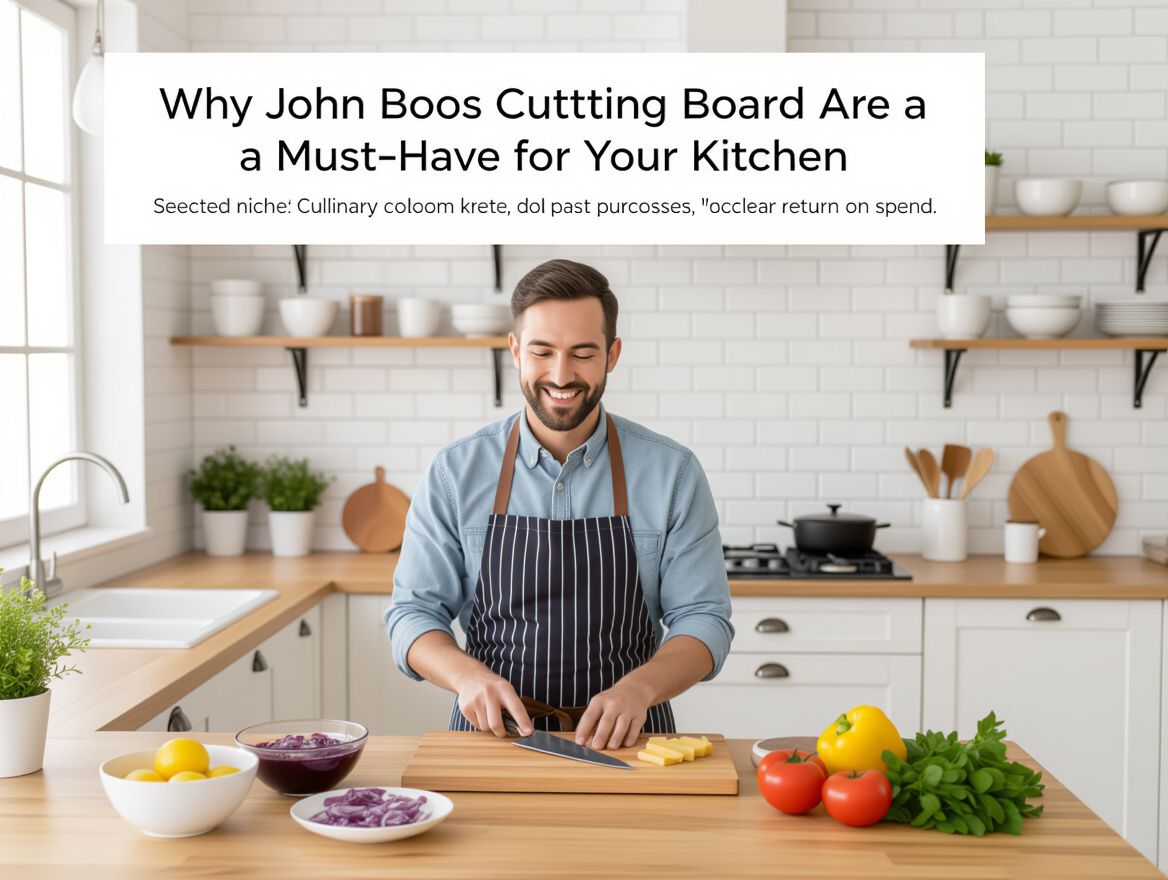
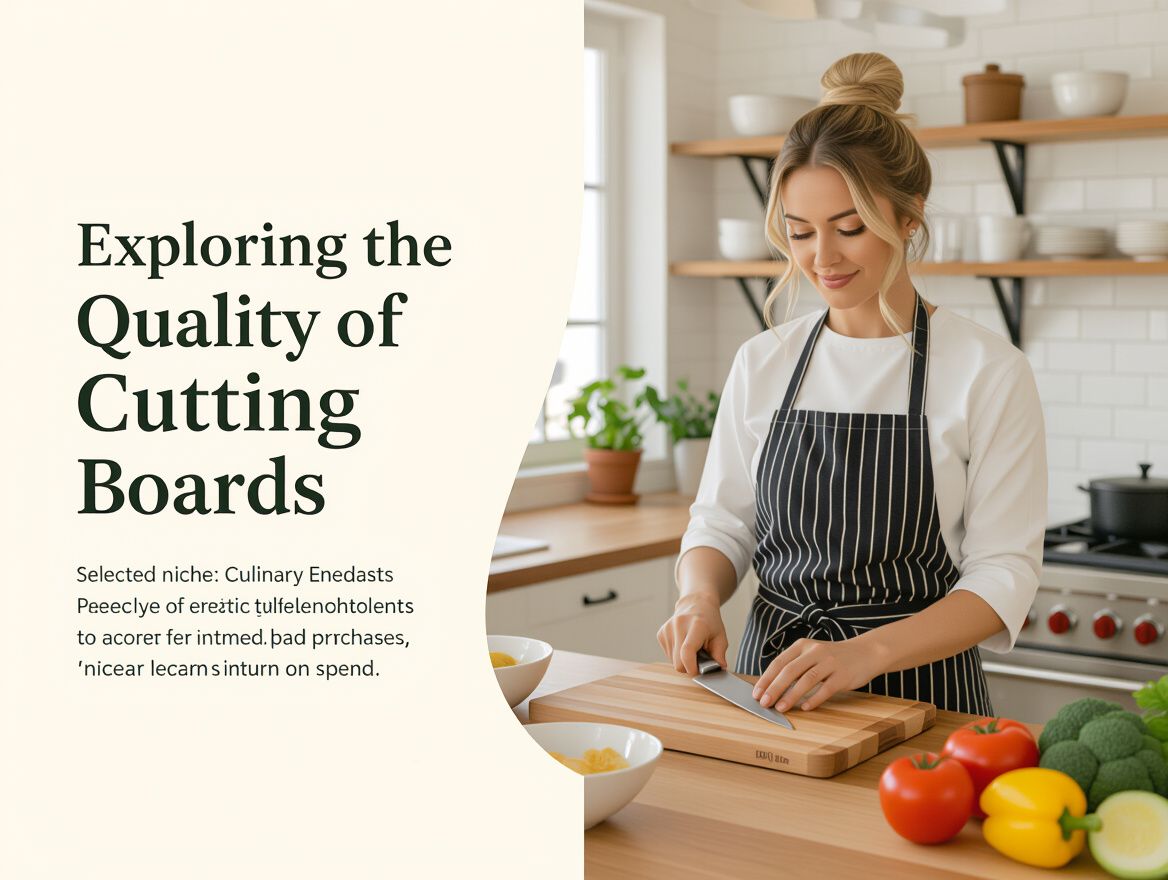
Why Butcher's Block Cutting Boards Are Essential in Every Kitchen
Understanding Butcher's Block Cutting Boards
Butcher's block cutting boards are a staple in many kitchens, known for their durability and functionality. Typically constructed from thick, hardwood strips glued together, these boards provide a sturdy surface that can withstand the rigors of daily food preparation. Their popularity stems from their ability to handle heavy-duty tasks, such as chopping meat or slicing bread, while also being gentle on knife edges.
Key Features and Benefits:
- Durability: Butcher's block boards are designed to last, often being resistant to deep cuts and scratches.
- Knife-Friendly Surface: The wood fibers in these boards tend to "heal" after being cut, which helps maintain the sharpness of your knives over time.
- Aesthetic Appeal: Many home cooks appreciate the warm, natural look of wood, which can enhance kitchen decor.
- Versatility: Suitable for a wide range of tasks, from chopping vegetables to serving charcuterie.
Considerations:
While butcher's block cutting boards come with numerous advantages, it's essential to consider a few factors before making a purchase. They require regular maintenance, such as oiling, to prevent cracking and warping. Additionally, their weight can make them less portable than lighter alternatives, which could be a drawback for those with limited kitchen space. Understanding these trade-offs will help you assess whether a butcher's block cutting board fits your culinary needs.
Common Kitchen Challenges Addressed by Butcher's Block Cutting Boards
Butcher's block cutting boards offer distinct advantages that tackle common challenges faced in the kitchen. Understanding these benefits can help home cooks and culinary enthusiasts make informed decisions about their kitchen tools.
Durability Against Knife Wear
One of the primary concerns with cutting boards is knife wear. Butcher's block cutting boards, typically made from hardwoods like maple or walnut, are designed to withstand repeated cuts without significant damage. This durability not only extends the life of the board but also helps maintain the sharpness of your knives, reducing the frequency of sharpening.
Stability for Chopping Tasks
When preparing meals, stability is crucial for safety and efficiency. Butcher's block cutting boards are often thicker and heavier than their plastic or bamboo counterparts, providing a solid base for chopping. This stability minimizes the risk of slipping, allowing for more controlled and precise cuts, which is especially important when handling larger items like roasts or squashes.
Hygiene and Maintenance Benefits
Hygiene is a significant concern in food preparation. Butcher's block cutting boards have natural properties that inhibit bacterial growth, making them a safer option for food prep. Additionally, they are easier to clean and maintain than many other materials. Regular oiling can enhance their resistance to moisture and odors, ensuring they remain in good condition over time.
Considerations Before Purchase
While butcher's block cutting boards are advantageous, potential buyers should consider a few trade-offs:
- Weight: Their heavier construction can make them less portable and harder to store.
- Maintenance: They require regular oiling to maintain their appearance and functionality.
- Cost: Generally, butcher's block boards can be more expensive than plastic alternatives.
By weighing these factors, you can determine if a butcher's block cutting board is the right fit for your kitchen needs, addressing both functionality and long-term investment.
Key Buying Criteria for Butcher's Block Cutting Boards
When considering a butcher's block cutting board, several essential criteria can help you make an informed decision. Each factor plays a vital role in addressing common kitchen challenges and ensuring that your purchase meets your culinary needs.
-
Material Types: Butcher's block cutting boards are primarily made from hardwoods, such as maple, walnut, or cherry. Each type offers unique benefits, including durability and aesthetics. Additionally, bamboo is an eco-friendly alternative that provides a lightweight option but may not have the same longevity as hardwoods.
-
Size and Thickness Considerations: The size and thickness of the cutting board can significantly impact its usability. Thicker boards provide more stability and durability, making them ideal for heavy chopping tasks. Consider your kitchen space and storage options when selecting the dimensions that will fit best.
-
Maintenance and Care Requirements: Butcher's block boards require regular maintenance to keep them in optimal condition. This includes oiling to prevent moisture absorption and warping. Understanding the care instructions is crucial, as neglecting maintenance can lead to a decline in functionality and appearance over time.
By evaluating these key criteria, you can better understand how a butcher's block cutting board can solve specific kitchen challenges while aligning with your cooking style and maintenance preferences.
Trade-offs and Considerations When Choosing Butcher's Block Cutting Boards
While butcher's block cutting boards are celebrated for their durability and functionality, potential buyers should weigh several trade-offs before making a decision. Understanding these considerations can help in selecting the right cutting board for your culinary needs.
-
Weight and Portability Issues: Butcher's block cutting boards are typically heavier than alternatives like plastic or bamboo boards. This weight can provide stability during food preparation but may pose challenges for those with limited counter space or for those who prefer to move their cutting board around frequently.
-
Price Range and Budget Considerations: Generally, butcher's block cutting boards can be more expensive than plastic or other wooden options. The investment reflects their durability and longevity, but it’s important to assess your budget and determine if the benefits align with your cooking habits.
-
Potential for Knife Dulling: While butcher's block boards are designed to be knife-friendly, improper maintenance can lead to issues. If not regularly oiled or cared for, the surface may become rough, potentially dulling your knives over time. Ensuring you are prepared for the maintenance required is crucial in prolonging both the board's life and your knife's sharpness.
By considering these factors, home cooks can make a more informed decision about whether a butcher's block cutting board is the right fit for their kitchen.
Finding the Right Butcher's Block for Your Kitchen
Choosing the right butcher's block cutting board involves evaluating various factors that align with your cooking style and kitchen space. By understanding the comparative benefits of different materials, size suitability, and how your personal cooking habits influence your choice, you can make an informed decision.
Material Considerations
- Hardwoods vs. Softwoods: Butcher's block cutting boards are primarily made from hardwoods like maple, walnut, or cherry, which offer durability and a knife-friendly surface. Softwoods may be less durable and can harbor bacteria more easily.
- End Grain vs. Edge Grain: End grain boards are known for their self-healing properties and are gentler on knives, while edge grain boards are often lighter and less expensive but may not offer the same level of durability.
Size Suitability
- Counter Space: Consider the size of your kitchen and available counter space. A larger board provides ample room for chopping but may be cumbersome in a small kitchen. Conversely, a smaller board is easier to store but might limit your prep area.
- Thickness: Thicker boards provide stability and durability, ideal for heavy chopping tasks, while thinner boards can be more portable and easier to clean.
Cooking Style Impact
- Frequency of Use: If you frequently prepare large meals or work with meats, a heavier, more durable board may be necessary. For occasional cooking or lighter tasks, a smaller, lighter board may suffice.
- Prep Techniques: Consider whether you often chop, slice, or serve directly on the board. This can influence your choice in terms of size, material, and whether you prefer a reversible board for dual functionality.
By assessing these criteria, you can identify which type of butcher's block cutting board best fits your needs, ensuring that your purchase enhances your culinary experience while addressing common kitchen challenges.
Frequently Asked Questions About Butcher's Block Cutting Boards
When considering a butcher's block cutting board, potential buyers often have common questions that can influence their purchasing decision. Addressing these queries can clarify uncertainties and help in making an informed choice.
What maintenance is required for butcher's block cutting boards?
Maintaining a butcher's block cutting board is essential for its longevity and performance. Regular care includes:
- Oiling: Apply food-safe mineral oil every few weeks to prevent drying and cracking.
- Cleaning: Use a damp cloth and mild soap to clean the surface; avoid soaking in water.
- Sanitizing: After cutting raw meat, use a solution of vinegar or a mild bleach solution to sanitize the board.
Can butcher's block cutting boards be used for all types of food?
Yes, butcher's block cutting boards are versatile and can accommodate various types of food, including:
- Meats: Their sturdy surface is ideal for chopping and carving.
- Vegetables and Fruits: The knife-friendly surface protects blades while providing a stable cutting area.
- Dairy and Breads: Suitable for slicing cheeses and bread without damaging the board.
How do I properly clean and sanitize my cutting board?
Proper cleaning and sanitization are crucial for food safety. Follow these steps:
- Immediate Cleaning: Wipe down the board with a damp cloth after use.
- Deep Cleaning: For thorough cleaning, scrub with a mixture of baking soda and water, then rinse and dry.
- Sanitization: Use a vinegar solution or a diluted bleach solution for sanitizing, ensuring you rinse well afterward.
By understanding these maintenance practices and the versatility of butcher's block cutting boards, home cooks can confidently incorporate these tools into their culinary routines while addressing common kitchen challenges.
Making the Right Choice for Your Kitchen
In the realm of culinary tools, butcher's block cutting boards stand out for their unique blend of functionality and durability. As you consider adding one to your kitchen arsenal, it's vital to weigh the advantages against your specific cooking needs and lifestyle.
Key Benefits to Remember:
- Durability: Designed for heavy-duty use, these boards can endure significant wear and tear, making them a long-term investment.
- Knife Preservation: Their forgiving surface helps maintain knife sharpness, reducing the frequency of sharpening and extending the life of your cutlery.
- Aesthetic Value: The natural wood finish adds warmth and character to your kitchen, enhancing the overall ambiance.
Thoughtful Considerations:
Before making a purchase, reflect on the following factors:
- Maintenance Requirements: Regular oiling is necessary to keep the wood in good condition and prevent warping.
- Weight and Portability: While their heft provides stability, it may also limit ease of movement, particularly in smaller kitchens.
- Storage Space: Ensure you have adequate space for a larger board, as they can be bulkier than other cutting board options.
By understanding these benefits and considerations, you can make an informed choice about whether a butcher's block cutting board aligns with your culinary practices. Thoughtful evaluation of your cooking habits and kitchen environment will guide you to a decision that enhances your food preparation experience.